

-

The work-from-anywhere cybersecurity playbook: How to stay safe at home, in cafés, in hotels, and at the airport
Whether it means logging in from home, a busy café, a hotel room halfway across the world, or a departure lounge between flights, work can now be done just about anywhere. While this flexibility offe...
-

IDS vs. IPS: Choosing the right defense for modern threats
Intrusion detection system (IDS) and intrusion prevention system (IPS) tools both help spot suspicious network, host, or system activity, but they respond differently. An IDS monitors activity and ale...
-
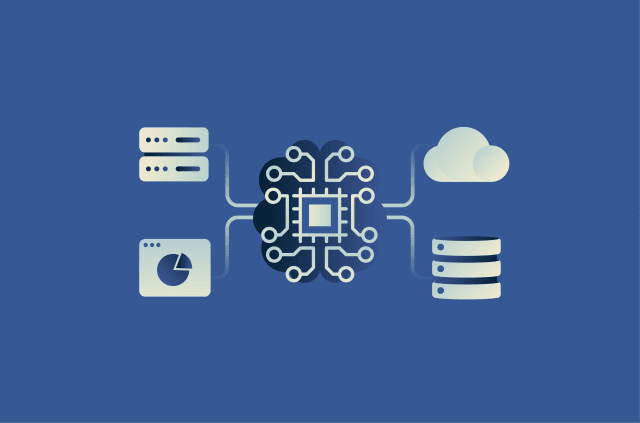
What is AIOps? A practical guide to smarter IT operations
Modern IT stacks generate more telemetry than teams can review manually. As systems become more distributed, IT teams often lose time separating routine noise from events that need investigation. Arti...
-
New NIST password guidelines: What changed and how to stay compliant
The National Institute of Standards and Technology (NIST)’s current password guidance discourages forced periodic password changes, password hints, security questions, and arbitrary composition rule...
-
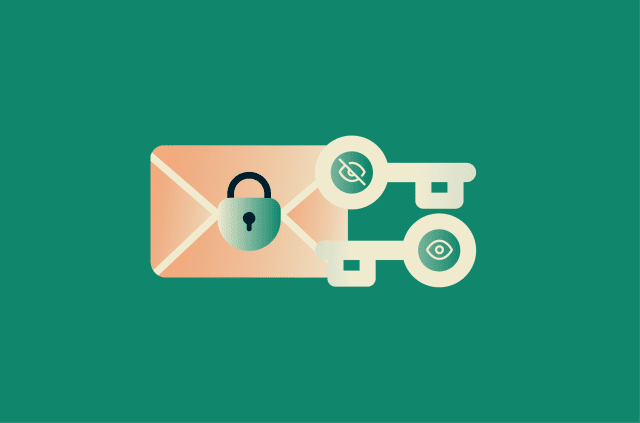
What is RSA encryption? How it works and why it still matters
Digital security relies on several key systems that most people never interact with directly. Rivest–Shamir–Adleman (RSA) is one of the earliest practical public-key cryptosystems and continues to...
-

What is MCP in AI? How the Model Context Protocol powers smarter AI systems
The Model Context Protocol (MCP) is attracting growing attention as AI systems become more capable and interconnected. Since its introduction by Anthropic in November 2024, MCP has gained broad ecosys...
-
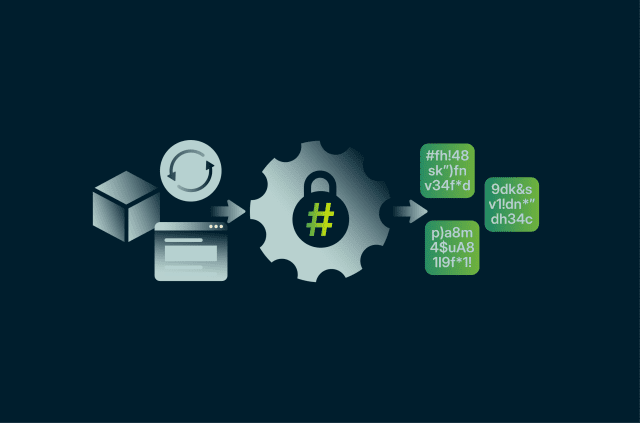
What is SHA-256? A practical guide to SHA-256 hashing
When a software update verifies itself before installing, when a Bitcoin block is added to the chain, or when secure websites check data integrity, the Secure Hash Algorithm 256-bit (SHA-256) is often...
-
Secure enclave explained: How it keeps your data private
Sensitive information isn't only at risk when it's stored or transmitted. Data can also become vulnerable while it's actively being processed, especially if attackers gain access to the OS or other pr...
-

DDoS attack tools explained: Risks, warning signs, and ways to stay protected
Denial-of-service (DoS) and distributed denial-of-service (DDoS) attacks are significant cyber threats capable of taking down websites, overwhelming networks, and costing organizations hundreds of tho...
-
Passkey vs. password: Which is safer for your digital identity?
For years, passwords have been the default way to protect online accounts. But as cyberattacks become more sophisticated, passkeys are emerging as an alternative that addresses many of the weaknesses ...
Cybersecurity