
-
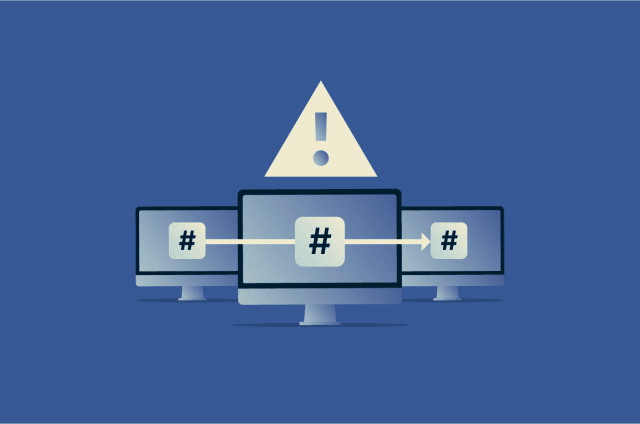
What is a pass-the-hash attack and how to prevent it
Windows has several ways to verify a user's identity on a network. One of the older methods is the New Technology LAN Manager (NTLM) protocol. It converts a password into a cryptographic value known a...
-
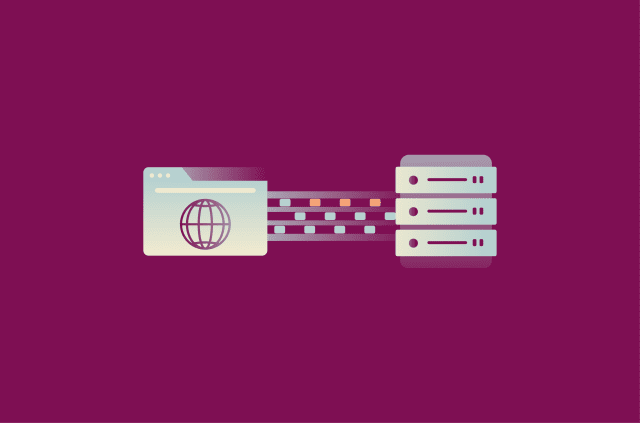
What is HTTP/3 and should you use it?
HTTP/3 is the newest version of Hypertext Transfer Protocol (HTTP), the protocol that allows browsers to request web pages and servers to send them back. It defines how those requests and responses ar...
-
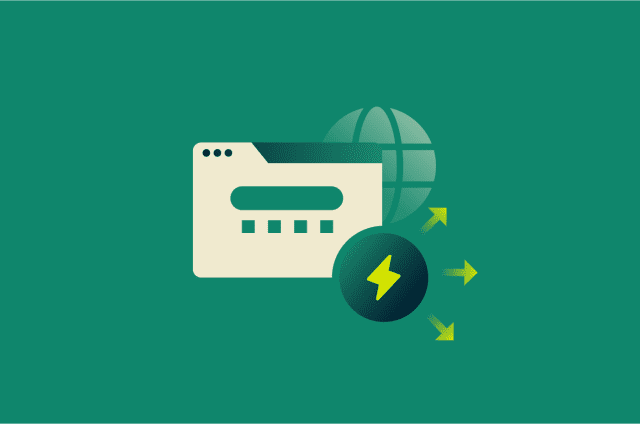
What is QUIC? The QUIC network protocol explained
When you load a webpage, your browser has to connect to a server, set up encryption, and then start sending and receiving data. These steps are governed by a network protocol. For most web traffic, th...
-
How to fix “Apple could not verify app is free of malware”
You’ve downloaded an app, double-clicked it, and macOS stops you with a message: “Apple couldn’t verify the app is free of malware.” You might also see variations like “Apple cannot verify t...
-
What is SysJoker malware? Risks, detection, and prevention
Some malware doesn’t cause immediate disruption or obvious signs of compromise. It runs in the background and resembles normal system activity, which can delay detection. When a threat isn’t ident...
-
What is a cybersecurity risk assessment and how does it work?
Security decisions are only as good as an organization's understanding of its own environment. When that understanding is incomplete, teams can struggle to see where real risk exists or how serious it...
-
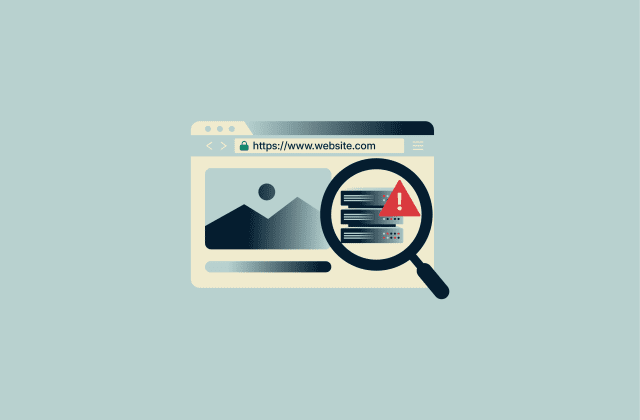
What is DNS spoofing? Learn how it affects your security
Websites are hosted on servers identified by IP addresses, but you access them by typing domain names. Domain Name System (DNS) translates names like example.com into the numeric addresses your device...
-
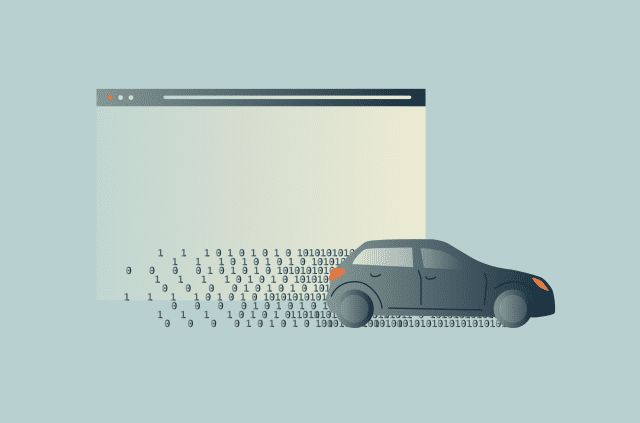
What is a drive-by attack and how do you prevent it?
When you open a website, your device doesn’t just display a page. It also loads scripts, media, and other components in the background. In some cases, that background activity can be abused. A drive...
-
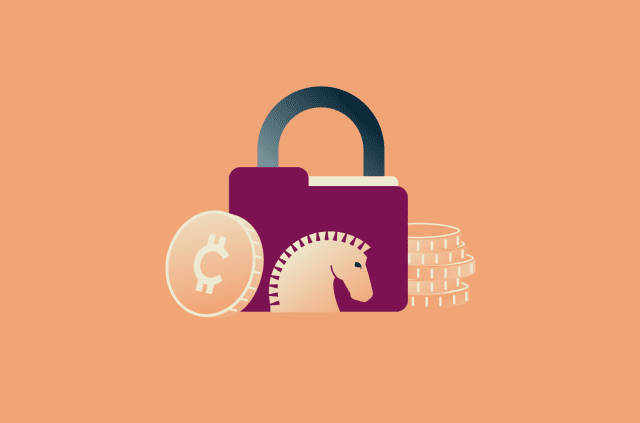
What is CryptoLocker ransomware and how can you protect yourself?
CryptoLocker is the name given to a ransomware campaign that targeted Windows computers in 2013. The original operation behind it is no longer active, but the incident shows how a ransomware attack ca...
-
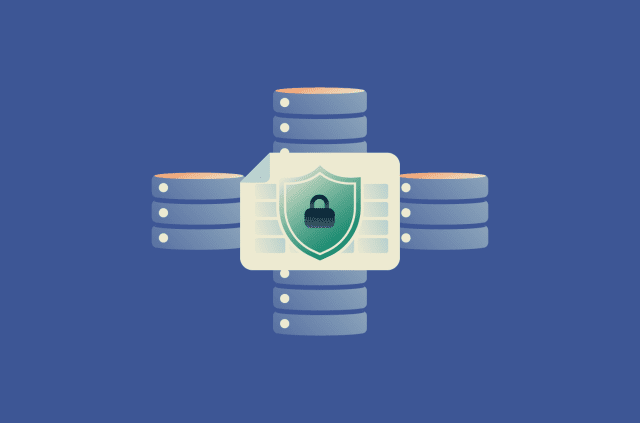
What is big data security and privacy?
Big data refers to datasets that are large, complex, or fast-changing enough that they are usually stored and processed across multiple systems, rather than in a single database. Big data environments...